

Like pretty much all of the cities in the area, the land on which Duncanville lies originally belonged to the Peters Colony. One could also say that it originally didn't "belong" to anybody, and that it was rooted in early nomadic travel and campsites around local watering holes like Indian Springs (later, "Penn Springs"). The Tawakoni, Wichita, Kickapoo and Comanche tribes all utilized this land before European arrived and created settlements.
Settlement began when Crawford Trees arrived from Illinois in 1845 and purchased several thousand acres south of Camp Dallas. Mr. Trees married Anna Minerva Kimmel in 1846 in the first recorded Dallas County wedding, expanded holdings to 5,458 acres by fulfilling colonization requirements, and later donated land in 1855 for the Little Bethel Male and Female School. This building also served as a church building until 1881 when citizens constructed the Union Hall House.
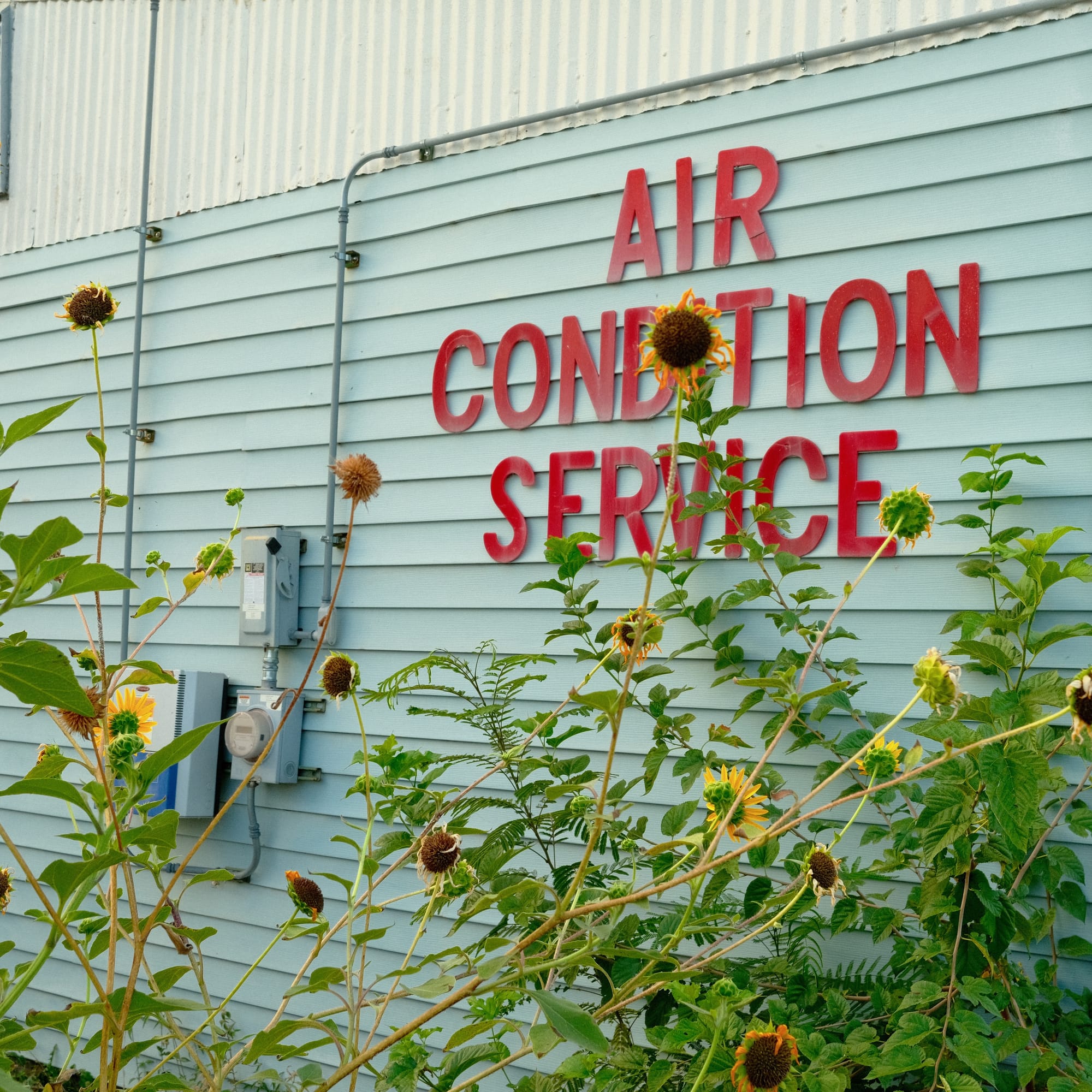
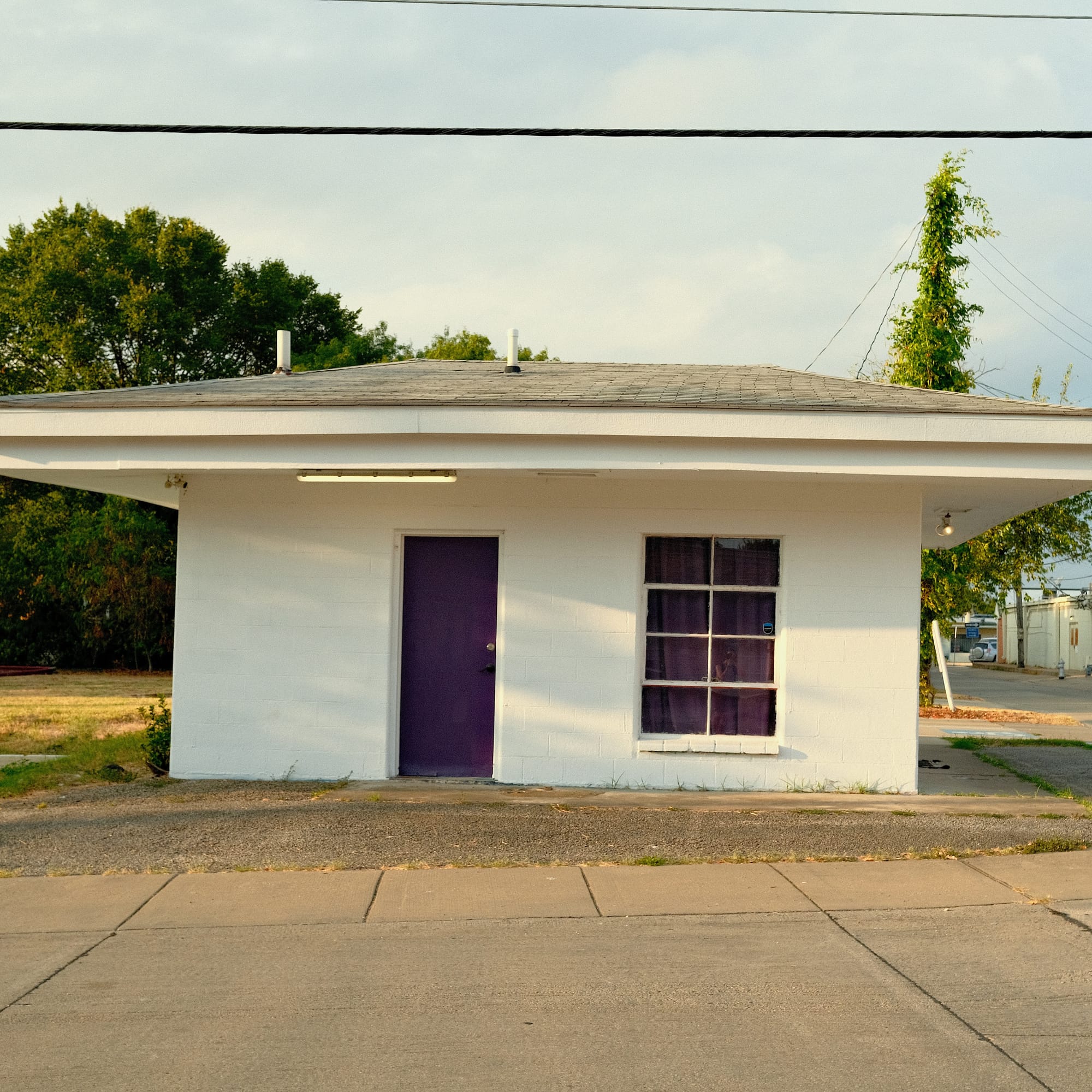
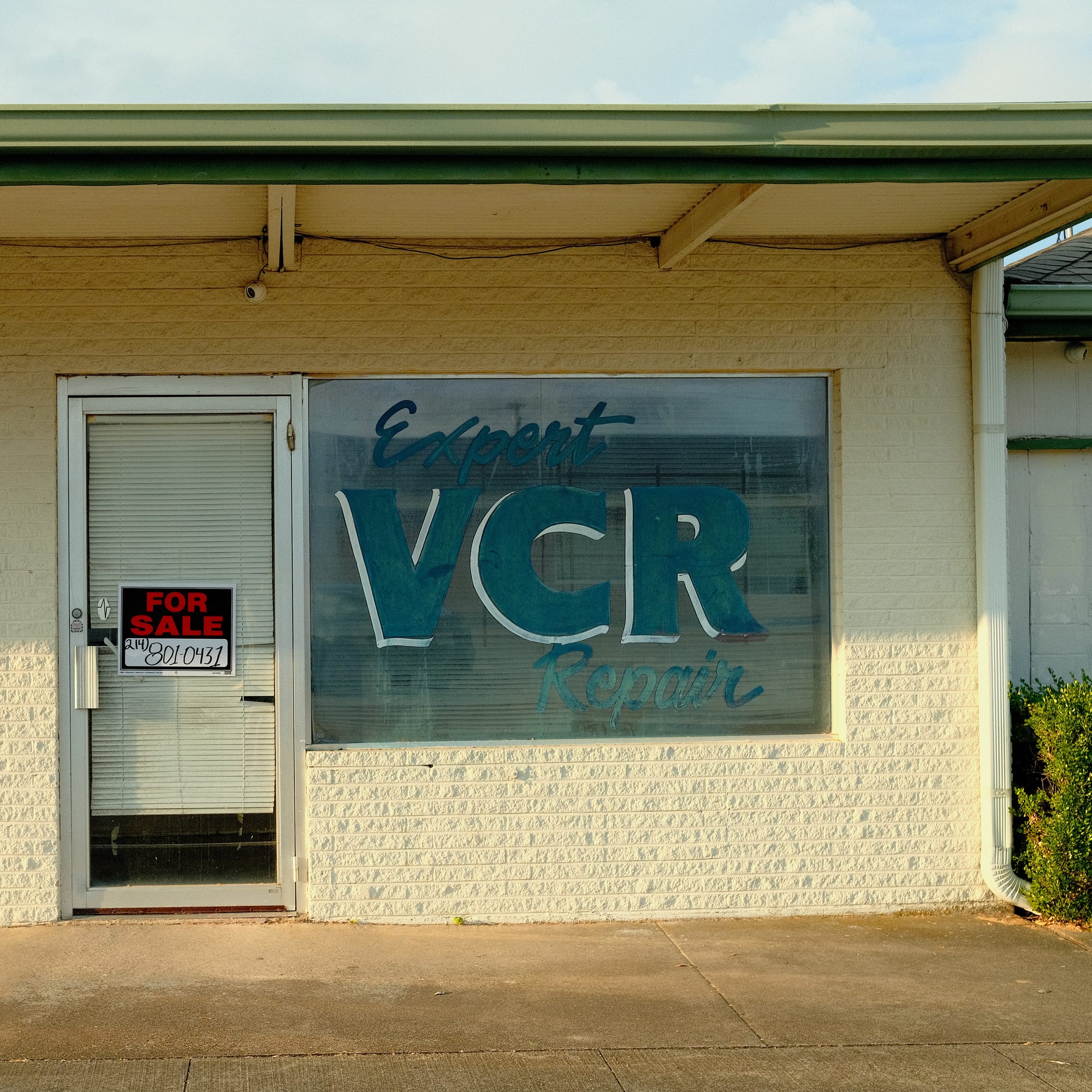
96. Air Condition Service / 97. Purple Door / 98. Expert VC Repair | Duncanville, TX | September, 2024
1881 seemed to be a pivotal point for the Duncanville settlement:
- Spring: The Chicago, Texas & Mexican Central Railroad was completed, connecting Dallas with Cleburne.
- Summer: Charles P. Nance stepped off the train into a field of sunflowers at a place known as Duncan Switch, named after a railroad line foreman.
- Fall: The U.S. Postal Service gave Nance authorization to create a post office, and after the "Duncan" name was rejected for being taken, he called it "Duncanville."
100 years later, I was born.
Duncanville is the place where I spent the majority of my youth. It's the place where I learned what it takes to be a champion (seriously!) in the "City of Champions."
Duncanville is the place I thought I knew well until I began wandering around on foot, quickly realizing that as much as I drove all over the place as a kid, I left most of it unexplored. It's the place that, also in my teens, I decided to walk across the city just for the fun of it – you know, one of those random ideas growing up to fight boredom – and it was on that day that I learned that walking across cities like this doesn't take nearly as long as you might think. That walk is the origin of this entire project.
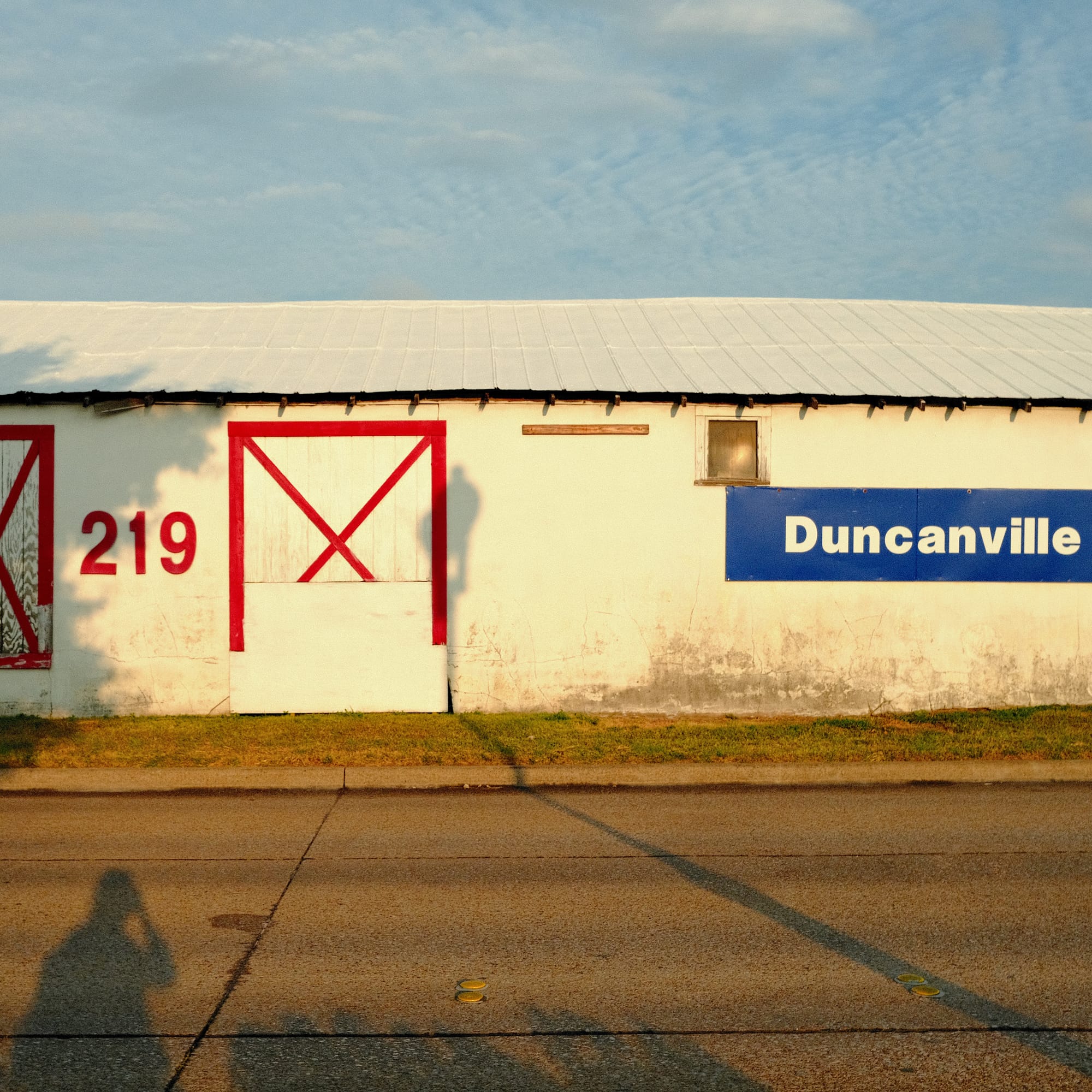
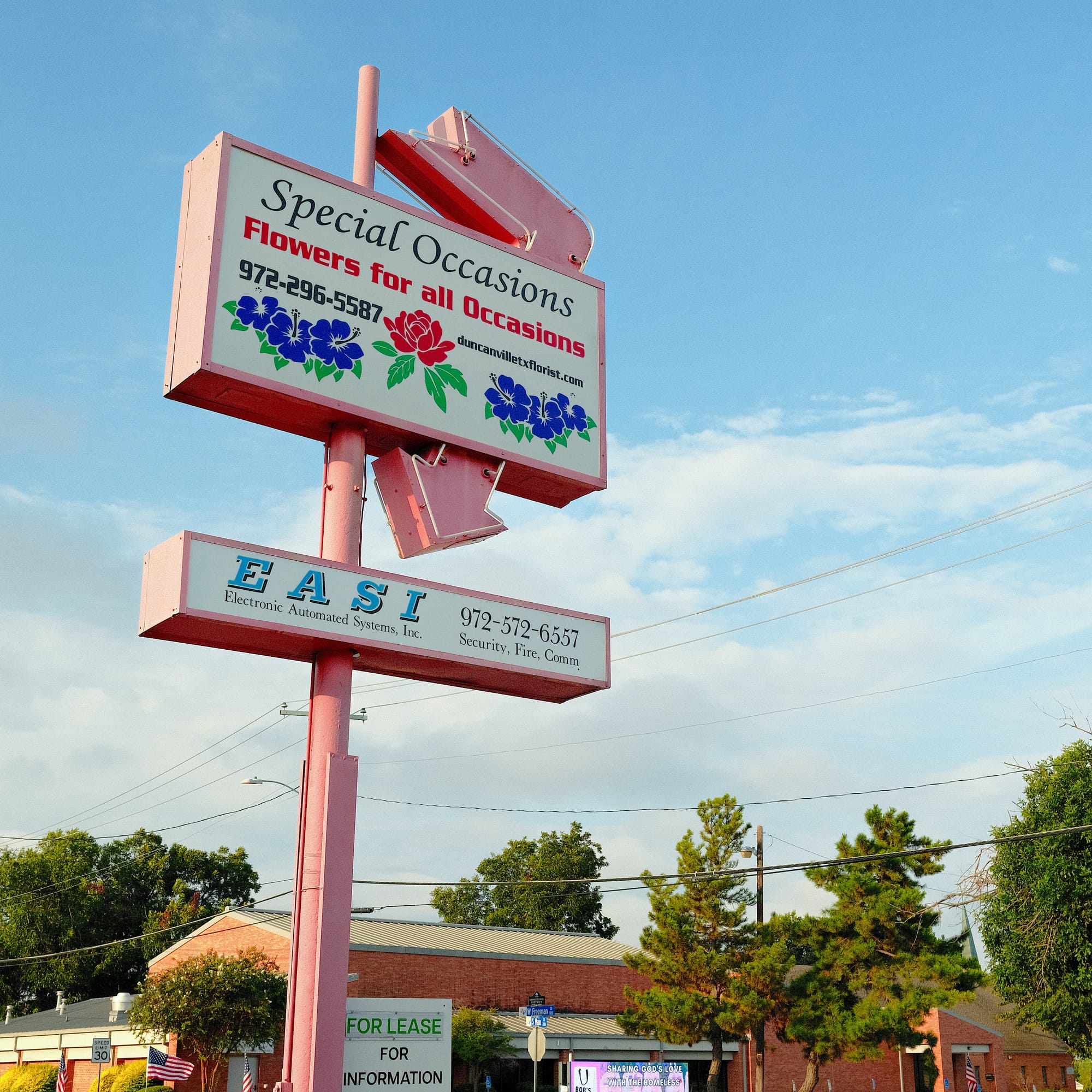
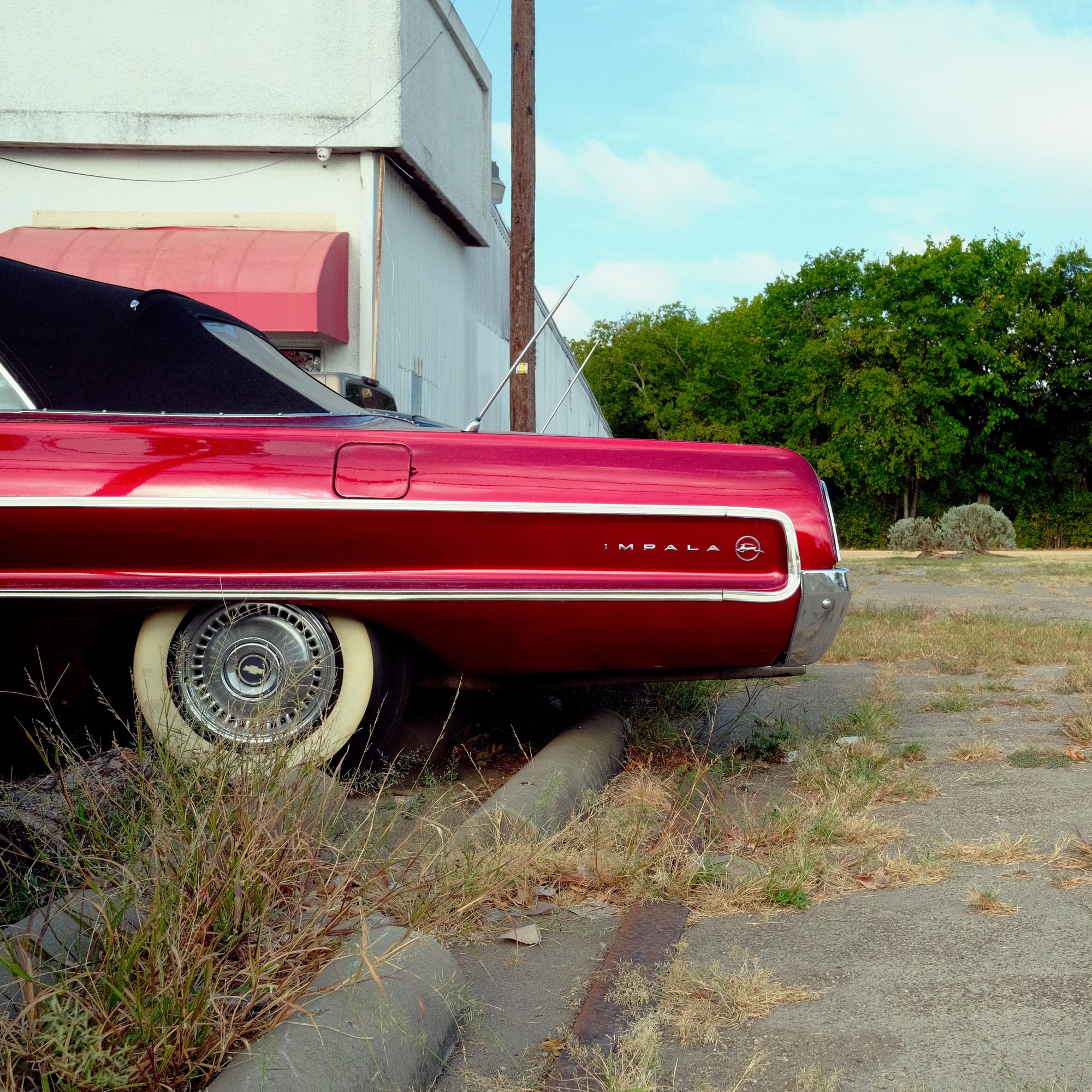
99. Duncanville Feed / 100. Special Occasions (by Vicki) / 101. Impala | Duncanville, TX | September, 2024
After walking and photographing for a few hours, I met a friend for a few hours more at the Gawhena Coffee Station at the corner of Main St. and Wheatland Rd. Before he arrived, I quickly wrote down the following notes to expand upon later:
- all the car places on Main
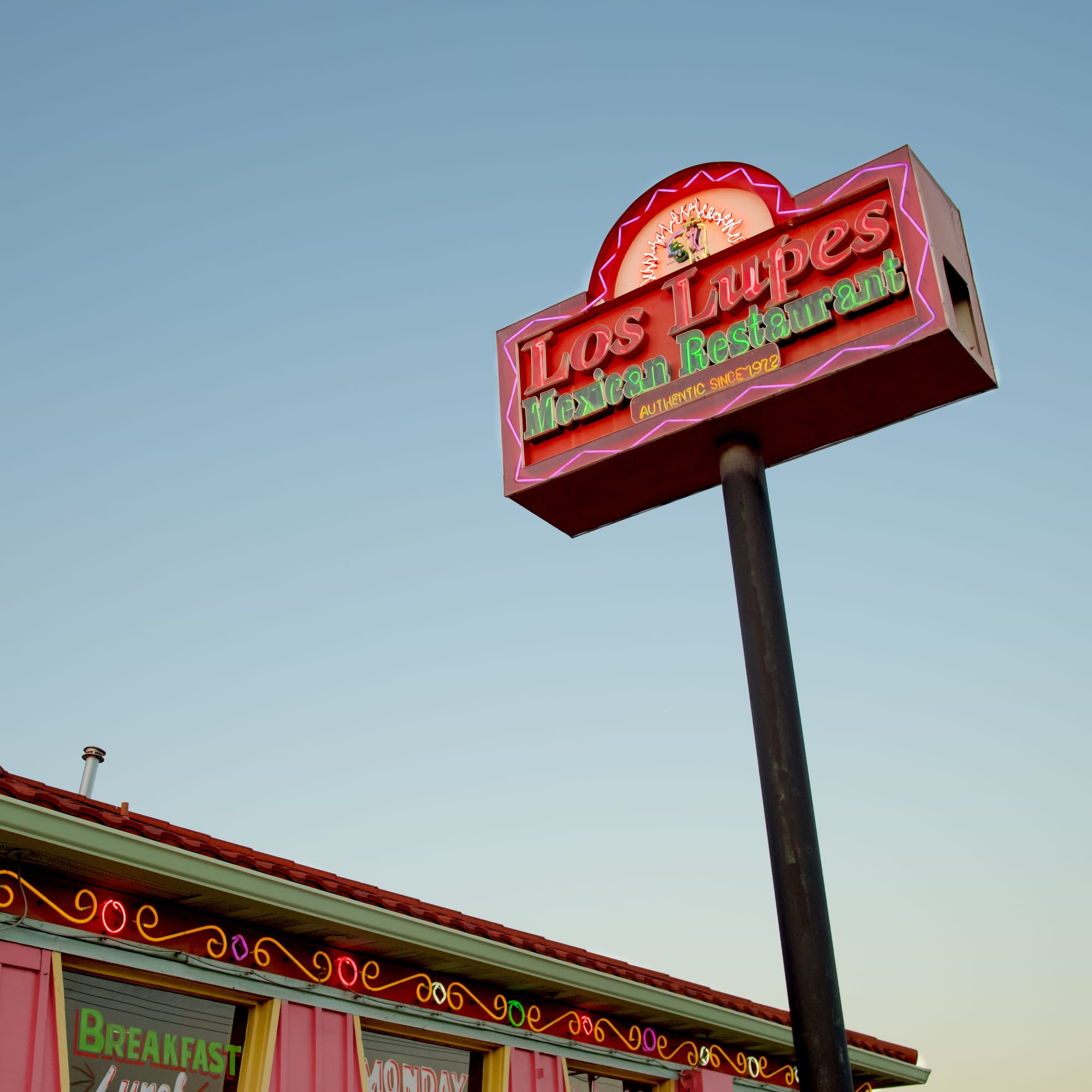
- the smell / reminds me of home near Las Lupes, or Mamama's in particular
- sad to see so many places closed or for lease on Main
- revitalize, but keep the quirkiness as much as possible
- these are the places to build diversity/commercial on bottom, residential on top – keep the cars in the back
- where are all the church people?
- where is the community? and if not church, how do you build it? what does a rethinking of community centers look like?
- Reed / schools // felt like I was back in / but why make it like a prison?
Maybe I'll get to some of these thoughts another time. But I want to leave you with a sight that you probably know well if you've spent any significant amount of time in Duncanville within the last 50 years: Los Lupes.
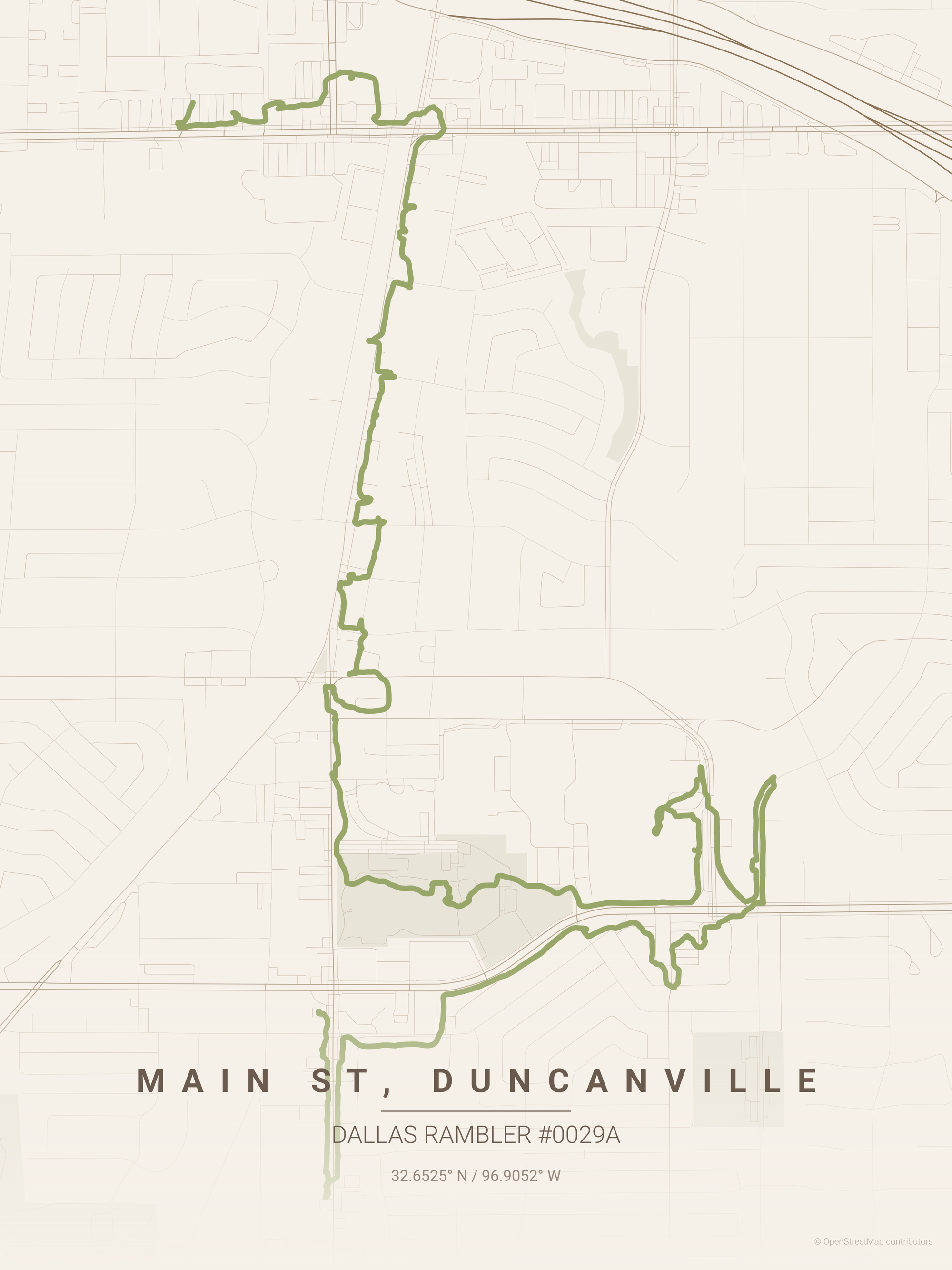
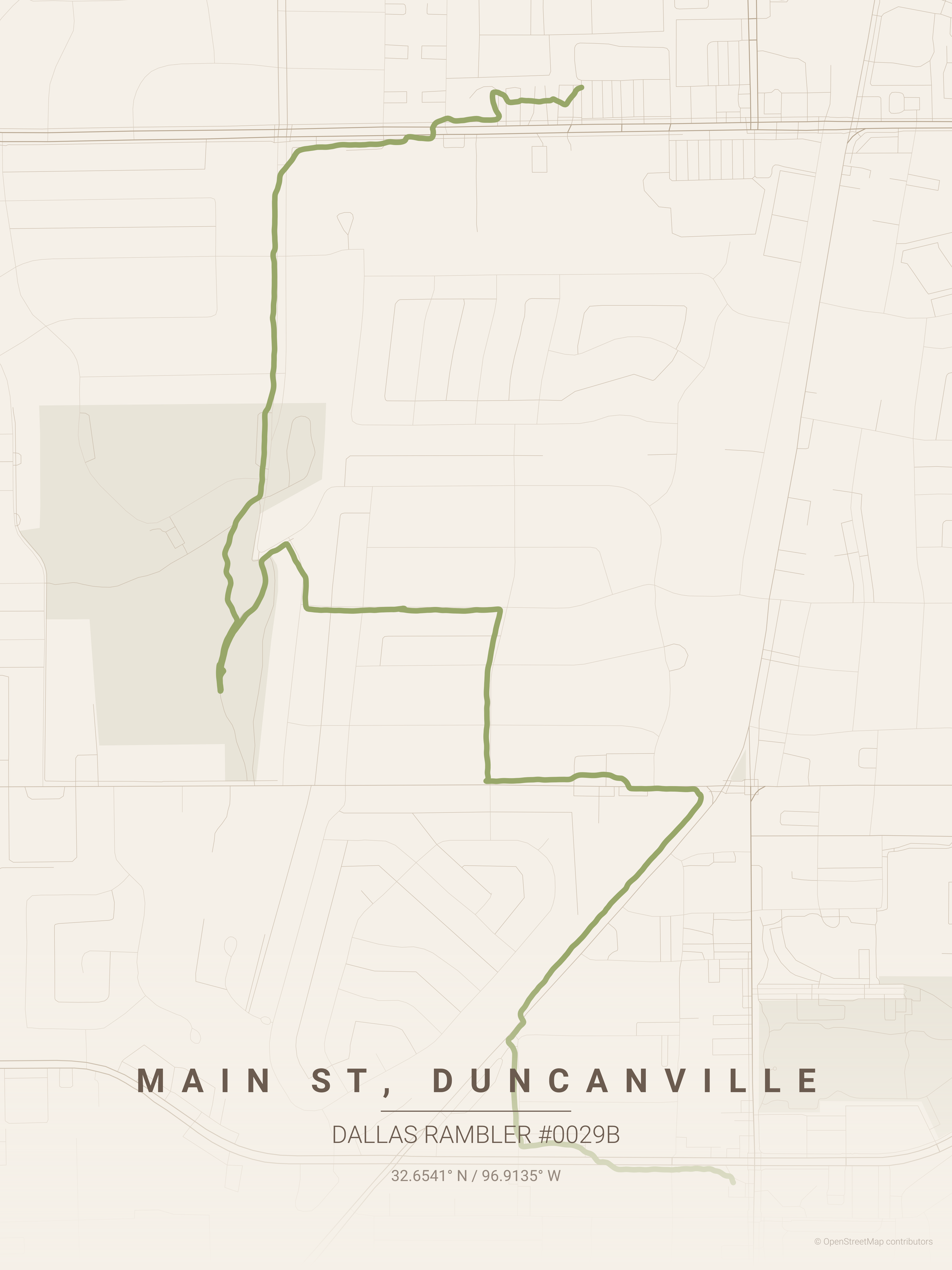
DR.0029: Main St, Duncanville | 4.82 + 2.59mi | 2:19:11 + 53:52